




Introduction
Vaping has emerged as a popular alternative to traditional smoking, offering smokers a potentially safer option to satisfy their nicotine cravings. However, it’s essential to understand the critical aspects of vaping before making the switch. In this blog, we will explore the five essential truths about vaping, its health impacts, differences from smoking, nicotine content, environmental concerns, and the legal landscape.
Understanding the 5 Essential Truths of Vaping
1. The Health Impacts of Vaping
Vaping is often considered less harmful than smoking because it eliminates the combustion process, reducing exposure to many toxic chemicals found in cigarette smoke. However, it is not without risks. The aerosol produced by e-cigarettes contains nicotine and other potentially harmful substances, such as propylene glycol, glycerin, and flavourings. While vaping may be a safer alternative for current smokers, it’s important to be aware of these risks and approach vaping with caution.
2. Vaping vs. Smoking: The Differences
One of the main differences between vaping and smoking is the absence of combustion in vaping. Traditional cigarettes burn tobacco, producing smoke that contains tar and many carcinogens. Vaping, on the other hand, heats a liquid (e-liquid) to produce an aerosol. This process significantly reduces the number of harmful chemicals inhaled.
3. Nicotine Content in Vapes
Nicotine levels in e-liquids can vary widely, allowing users to choose their preferred strength. This flexibility can help smokers gradually reduce their nicotine intake and eventually quit. However, it’s crucial to understand that nicotine is addictive and can have adverse effects on health, particularly on cardiovascular health. Users should be mindful of their nicotine consumption and consult healthcare professionals if needed.
Deep Dive into Vaping Health Risks
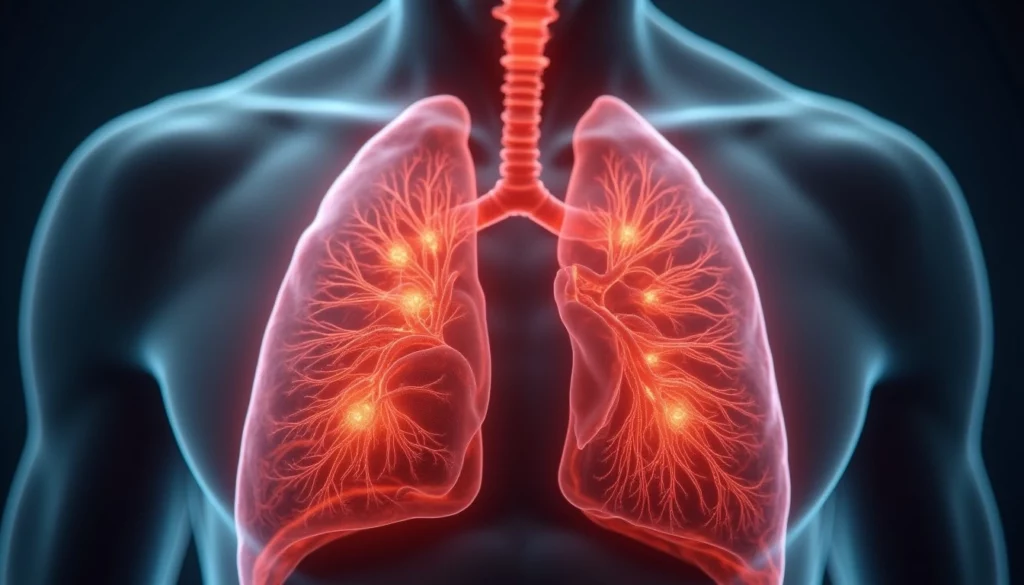
The Reality of Vaping-Associated Lung Injury
There have been cases of severe lung injury associated with vaping, particularly with products containing THC or vitamin E acetate. These substances can cause significant respiratory issues, and it’s crucial to avoid using unregulated or modified vaping products. Staying informed and choosing reputable brands can mitigate some of these risks.
Comparing Vaping and Smoking
Misconceptions Cleared: How Vaping Differs from Traditional Smoking
Many misconceptions surround vaping, such as the belief that it is entirely harmless. While vaping reduces exposure to certain harmful chemicals, it still involves inhaling substances that can affect health. Unlike smoking, vaping does not produce tar or carbon monoxide, making it a potentially less harmful alternative, but not a completely safe one.
Chemical Composition: What’s Inside Your Vape?
E-liquids typically contain nicotine, flavourings, propylene glycol, and glycerin. Some flavourings can produce harmful chemicals when heated, and the quality of ingredients can vary between brands. It is crucial to use products from reputable manufacturers and to be aware of what is in your vape to minimise health risks.
Nicotine and Addiction: Understanding Vape Content
How Vaping Nicotine Levels Compared to Cigarettes
E-liquids come in various nicotine strengths, from high levels comparable to cigarettes to nicotine-free options. This range allows users to control their nicotine intake and reduce it gradually. However, because the absorption rate of nicotine from vaping can differ from smoking, users should be mindful of their overall consumption.
The Role of Nicotine in Vaping Addiction
Nicotine is highly addictive, and its presence in e-liquids can lead to dependence. While vaping can help reduce nicotine intake over time, it is essential to recognize the addictive potential and approach vaping with a strategy for eventual cessation, particularly for non-smokers who might be considering vaping.
The Environmental Impact of Vaping
Disposable Vapes: A Growing Environmental Concern
Disposable vapes contribute to environmental waste due to their single-use nature and the difficulty of recycling electronic components. This growing concern calls for more sustainable practices and products in the vaping industry.
Rechargeable vs. Disposable: Choosing the Lesser Evil
Rechargeable vaping devices are generally more environmentally friendly than disposables. They produce less waste and can be reused multiple times. Users looking to minimise their environmental impact should consider investing in rechargeable devices and properly disposing of e-waste.
Navigating the Legal Landscape of Vaping
Global Vaping Laws and Regulations
Vaping laws vary significantly worldwide. Some countries have strict regulations, while others have more relaxed policies. It’s essential for vapers to be aware of the regulations in their region to ensure they comply with local laws and avoid legal issues.
How Regulations Impact Vape Users and Manufacturers
Regulations can affect the availability and quality of vaping products. They aim to ensure consumer safety by controlling the ingredients and manufacturing processes of e-liquids and devices. Staying informed about these regulations helps users make safer choices and encourages manufacturers to maintain high standards.
Conclusion
In conclusion, vaping can offer a potentially safer alternative for smokers looking to reduce their nicotine dependence and quit smoking. However, it is essential to approach vaping with caution and awareness of the associated health risks, environmental impacts, and legal considerations. By understanding the five essential truths about vaping, individuals can make informed decisions that support their journey toward a healthier lifestyle.
RELATED POSTS
30Aug
Best Cheap Vape Pods For Flavour Lovers On A Budget In 2025
Finding a vape pod that balances good flavour with affordability is not always easy, especially... read more
30Aug
Best Vape Flavours in 2025: A Comprehensive Guide for New Zealand Vapers
Looking for the best vape flavours in 2025? Our latest guide covers New Zealand’s favourite... read more
29Aug
Tips For Switching From Smoking To Vaping
Quitting smoking is a bold step for New Zealanders, but getting over the habit is... read more
29Aug
Easy Vape Tricks for Beginners
Vaping has evolved beyond a smoking alternative into a creative hobby. For beginners in New... read more
29Aug
Top Affordable Vapes in 2025: The Best Budget-Friendly Options in New Zealand
For those who vape in New Zealand, it might not be too difficult to find... read more
24Jul
Vaping Regulation Updates
This blog outlines a recent government decision to revoke the requirement for all vaping devices... read more
29Jan
How to Take Care of Your Refillable Vape Device
Taking good care of your refillable pod vape device is key to enjoying smooth functionalities,... read more
29Jan
Vape Recycling in New Zealand: New Age Sustainability
Vape consumption has increased at a rapid pace across the globe, bringing with it innovation... read more